Okomu National Park Benin City - The Complete Visitor Guide 2026
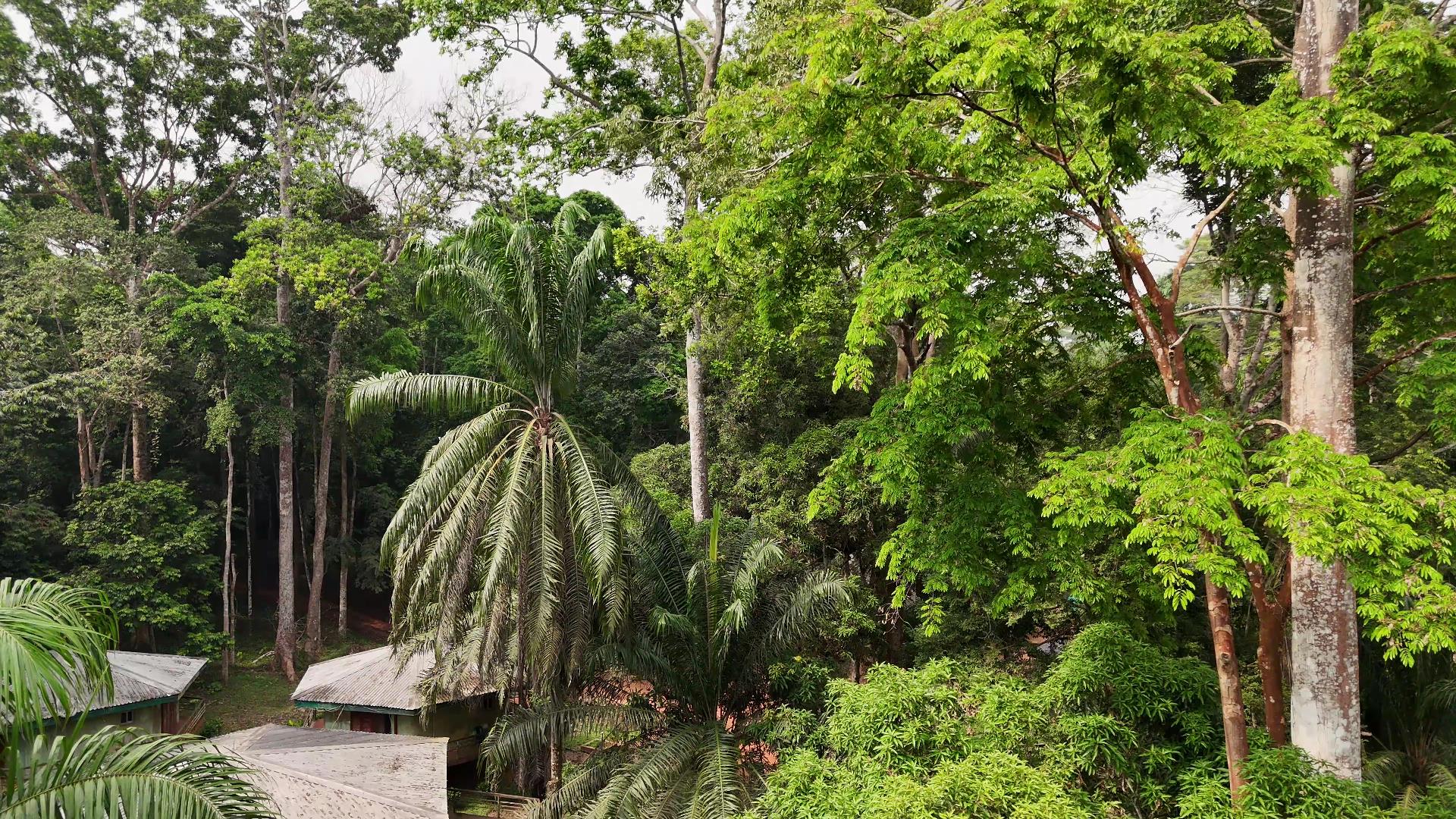
There’s more to Okomu National Park than the tree house and the hanging bridge.
Sometimes life gets noisy... The city feels heavy... The air feels tired... Your heart quietly asks for something different.
That was exactly how we felt when Glo and I decided to visit Okomu National Park for the first time.
From packing our bags to the journey out of Benin City we were filled with anticipation. And when we finally arrived, we were not disappointed.
What we found was peace in the stillness of the forest and genuine warmth from the park staff.
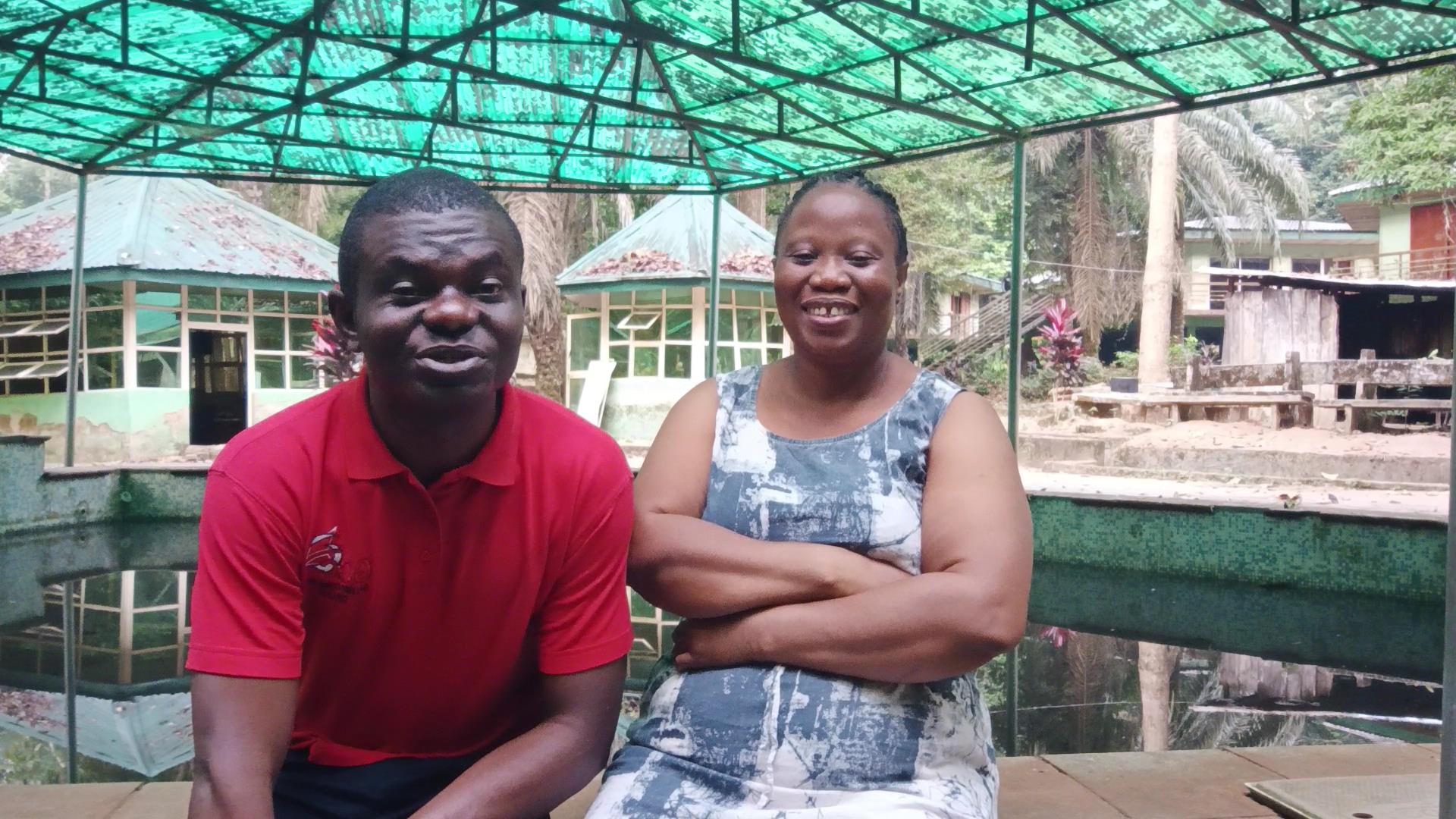
We stayed one night and two days at Arakhuan Range Base - and it was one of the most refreshing breaks we've had. Affordable accommodation...Quiet surroundings...Fresh air that literally feels diffefent.
When it was time to leave, we felt a quiet longing to stay just a little longer...
Where Is Okomu National Park Located?
Okomu National Park is located at Udo town in Ovia South-West Local Government Area of Edo State.
It takes about 40 minutes to reach Udo from Benin City, and another 30–35 minutes into the forest to the park base — roughly 1 hour and 10 minutes in total.
The park is carved out of the larger Okomu Forest Reserve and covers 202.24 square kilometers of protected rainforest.
The administrative office of the park is located along Forestry Road (Nikoroha Road) in Udo town.
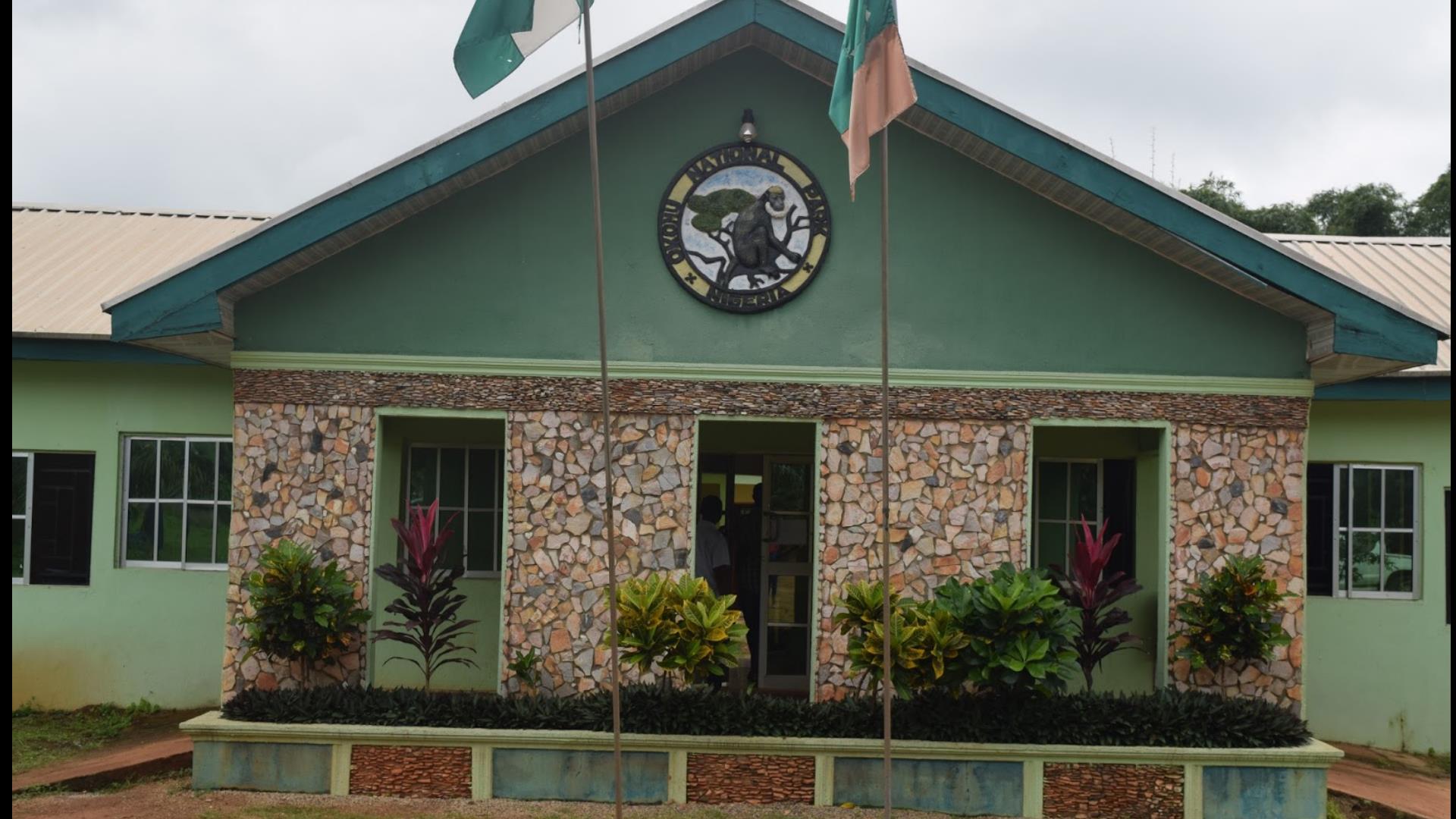
Okomu National Park is the closest rainforest escape if you're in Benin City and craving nature.
Things To Do at Okomu National Park
During our vacation, we realized there’s much more to do at Okomu Park than we initially expected.
Nature Trail (Rainforest Hiking)
If you love hiking you're going to love Nature trail more. Nature trail is not the regular walk. You'll hike deep into the thick rainforest under a natural canopy of tall trees that shields you from the sun. It is cool...shaded...and peaceful.
A ranger leads you through designated forest paths. We hiked for nearly one hour without realising it. During our hike
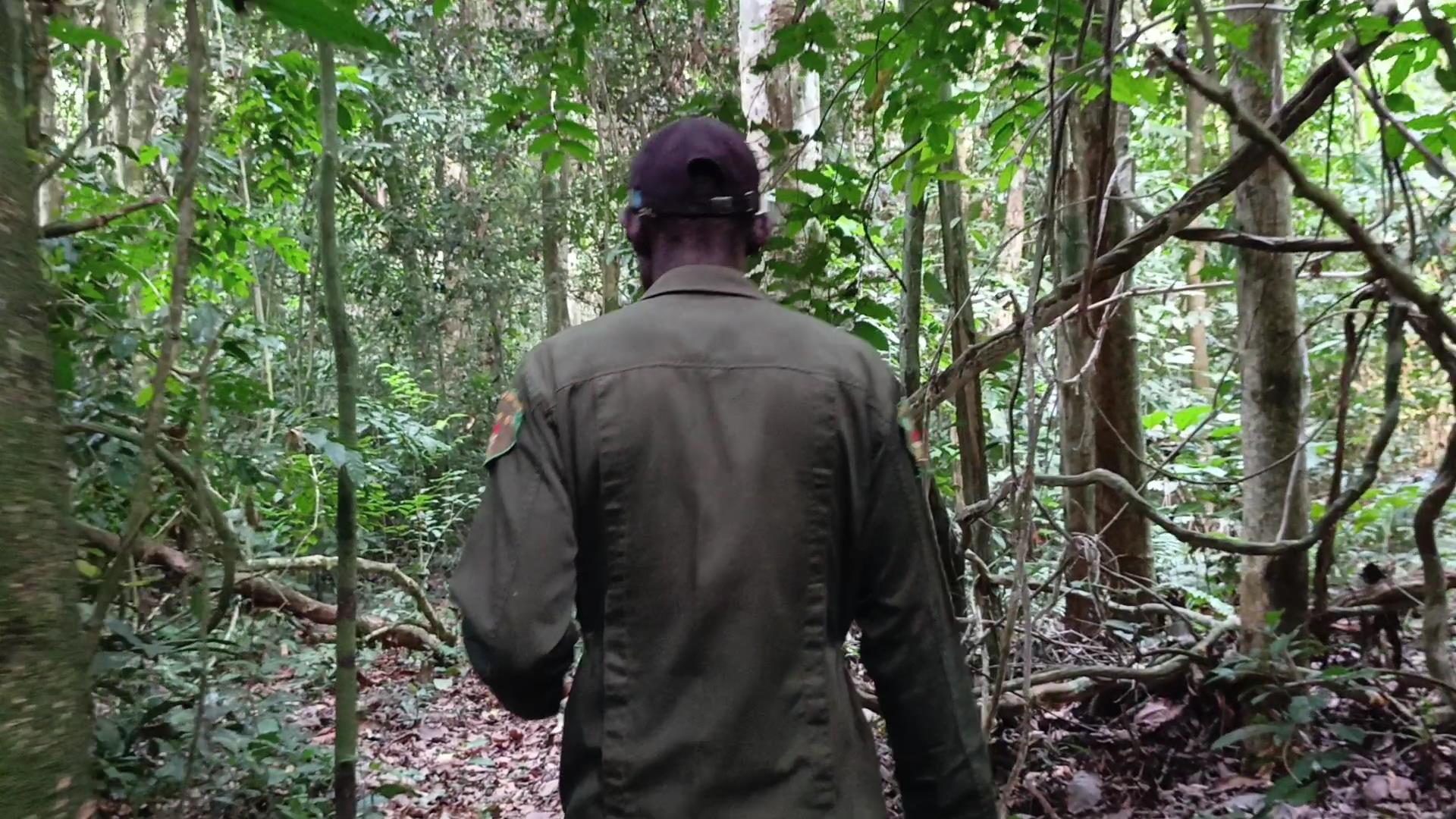
- We passed two lakes. We were told ther are six inside the park.
- Around the lakes, we saw deep elephant footprints pressed into the earth. We were told they come there to bathe, drink, and feed — especially in the quieter hours.
- During an evening hike, we heard elephants trumpeting in the distance — a deep, echoing sound that resonated across the forest.
- We noticed tree trunks marked about six feet high from elephant back-rubbing.
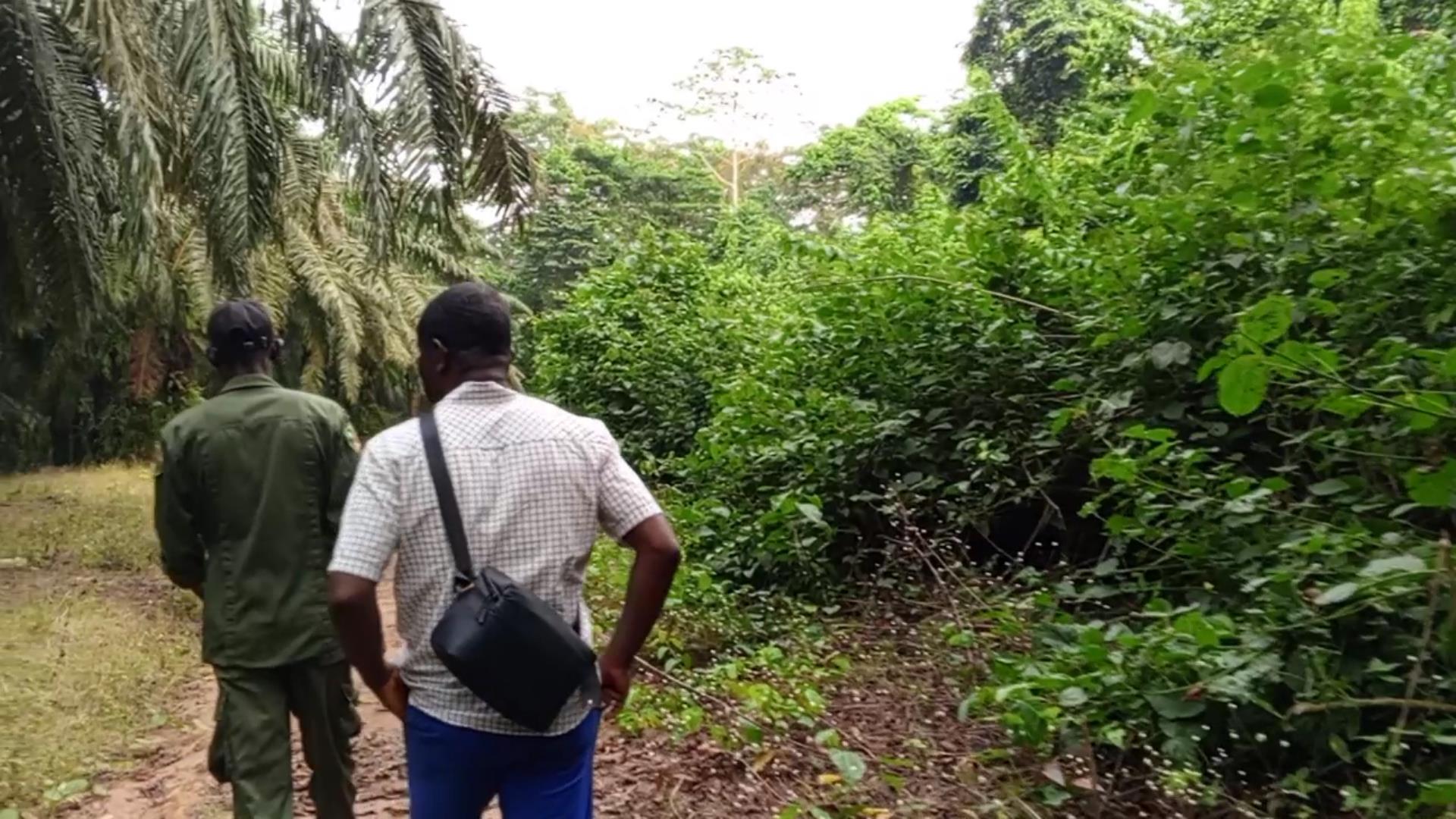
- At the edge of the park, where it borders Okomu Oil Palm Plantation, we saw monkeys helping themselves to palm fruits. The instant they sighted us, they bolted back into the forest — swift as jets.
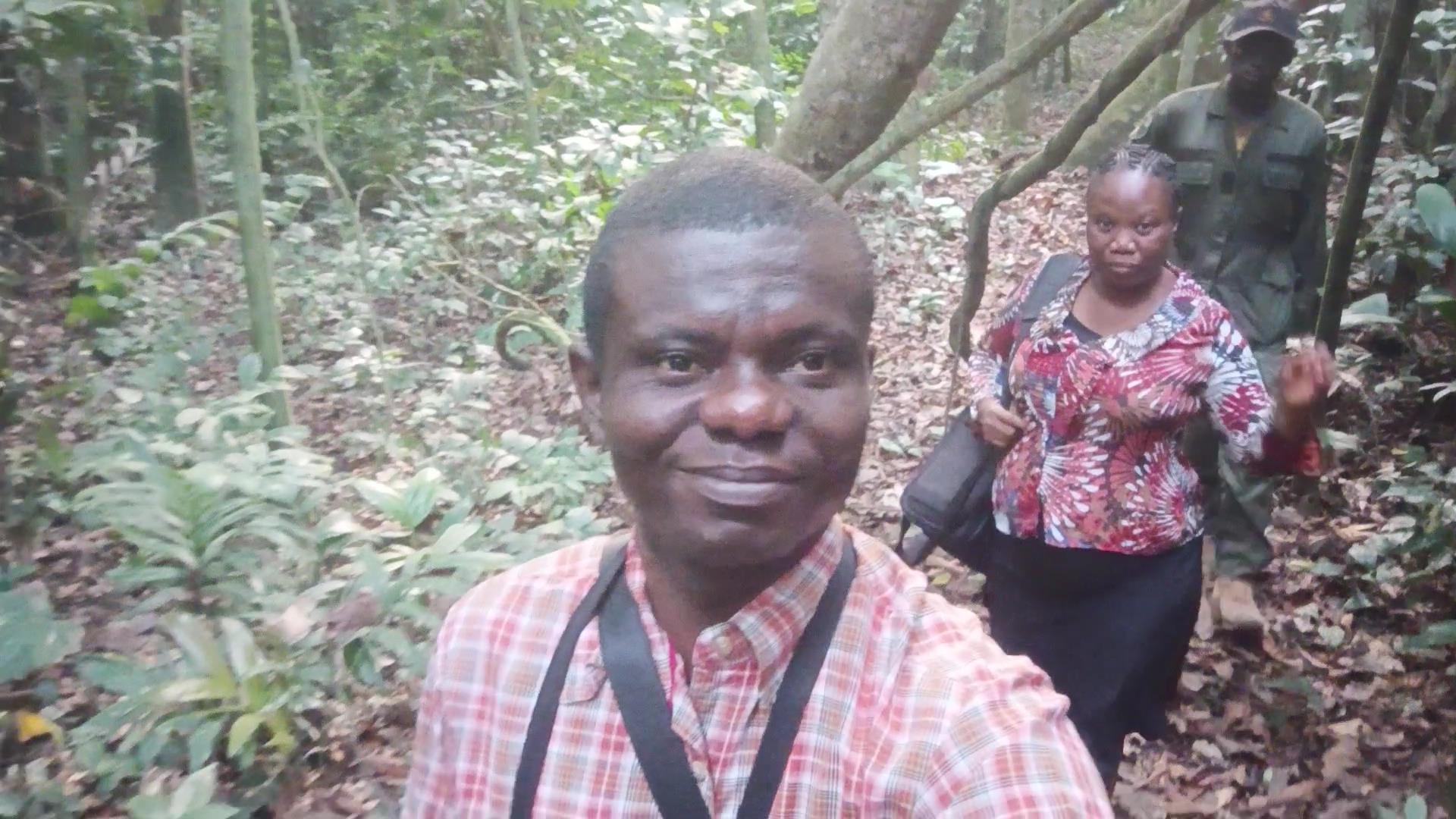
Nature trail is not just exercise — it is therapy. Somewhere between the trees and the quiet, inspiration can find you. It found me.
Tip: If you rush the nature trail, you won’t truly enjoy it — your mind will be all over the place. Nature trail is meant to be experienced slowly, so settle in and soak it all up. More on this later…
The Hanging Bridge
The hanging bridge is a suspended wooden bridge built across the Arakhuan stream. It connects one side of the forest to the other.
It gently sways as you walk across - thrilling and scenic. And makes for incredible photos.
Designed to make crossing the stream an adventure of its own, the hanging bridge will soon return — a new and improved structure is expected as part of the park’s ongoing transformation.
The Tree House
The famous tree house is one of Okomu Forest's most recognizable landmarks. Built as an elevated observation platform, it serves a similar purpose to iconic city towers around the world — offering visitors a breathtaking vantage point above their surroundings.
The tree house is a wooden platform. It stands about 140 feet above ground level, built around the crown of a towering tree. Visitors could climb up, sit quietly and enjoy panoramic view of the forest canopy stretching endlessly in every direction. It makes for incredible photo opportunities and stunning, cinematic video shots.
The tree that once hosted the tree house was one of the tallest and oldest trees within Okomu National Park. Over time, the mighty tree eventually gave way, bringing the original tree house down with it
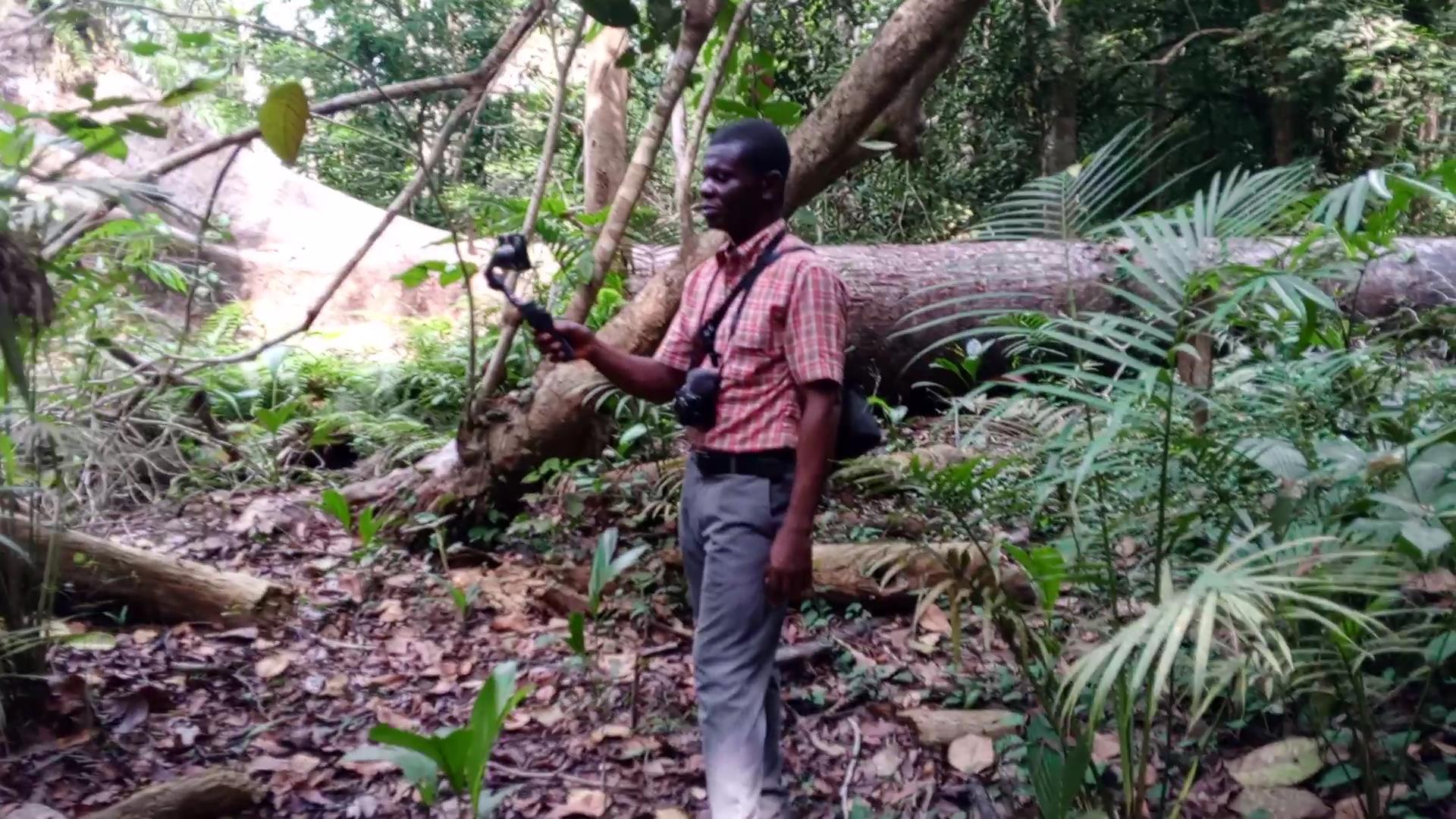
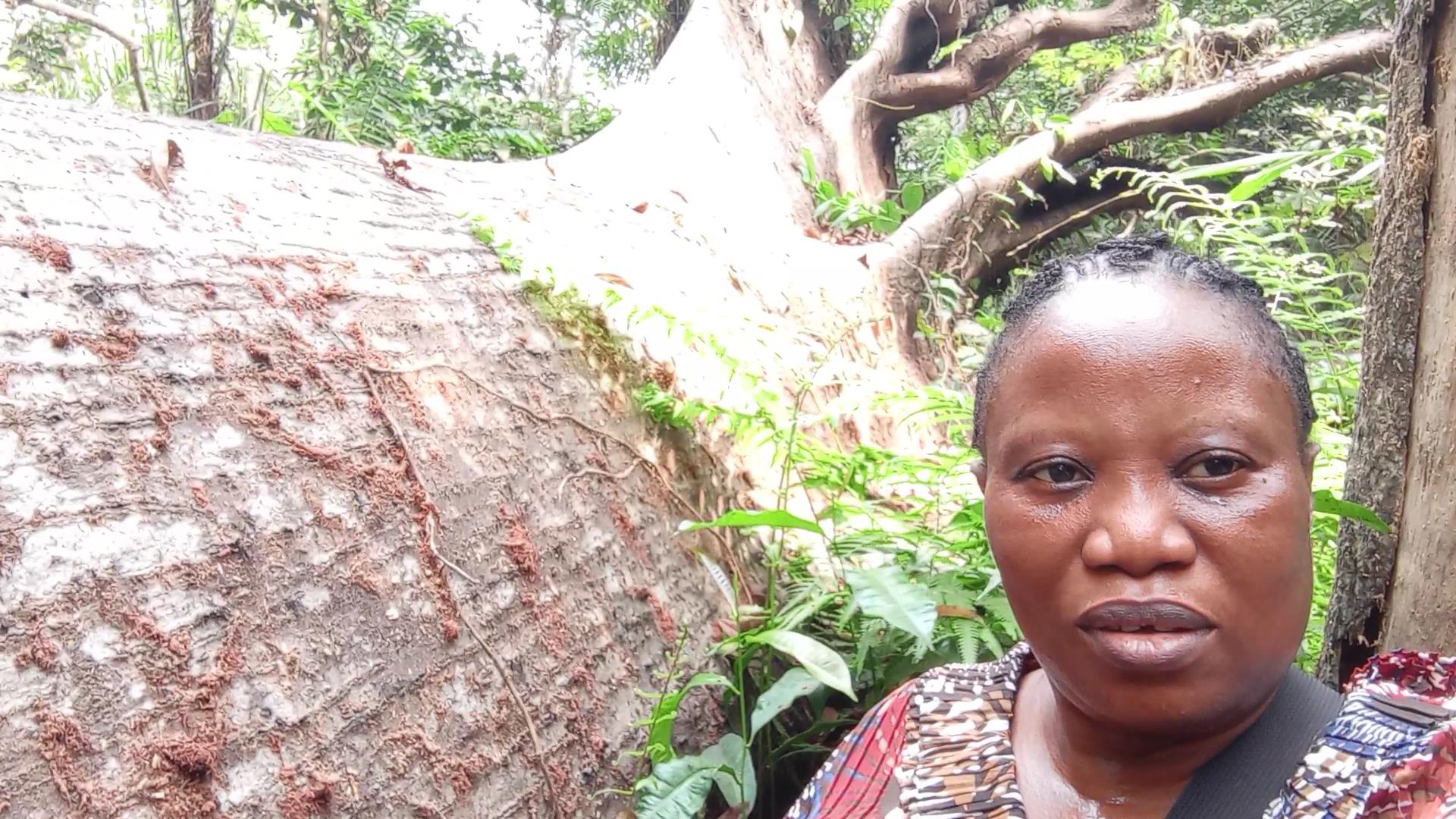

But that is not the end of the story.
Plans are already underway for a new and improved tree house — one that will continue the legacy of giving visitors a breathtaking vantage point above the forest canopy.
A place to Slow Down
People don’t always come here for adventure. Sometimes, they come simply to breathe and escape the noise . Here, you can truly slow down — surrounded by endless greenery, breathing in rich, fresh air, and allowing your mind to finally rest.
The base provides a serene environment for deep quiet, reflection, and meditation.

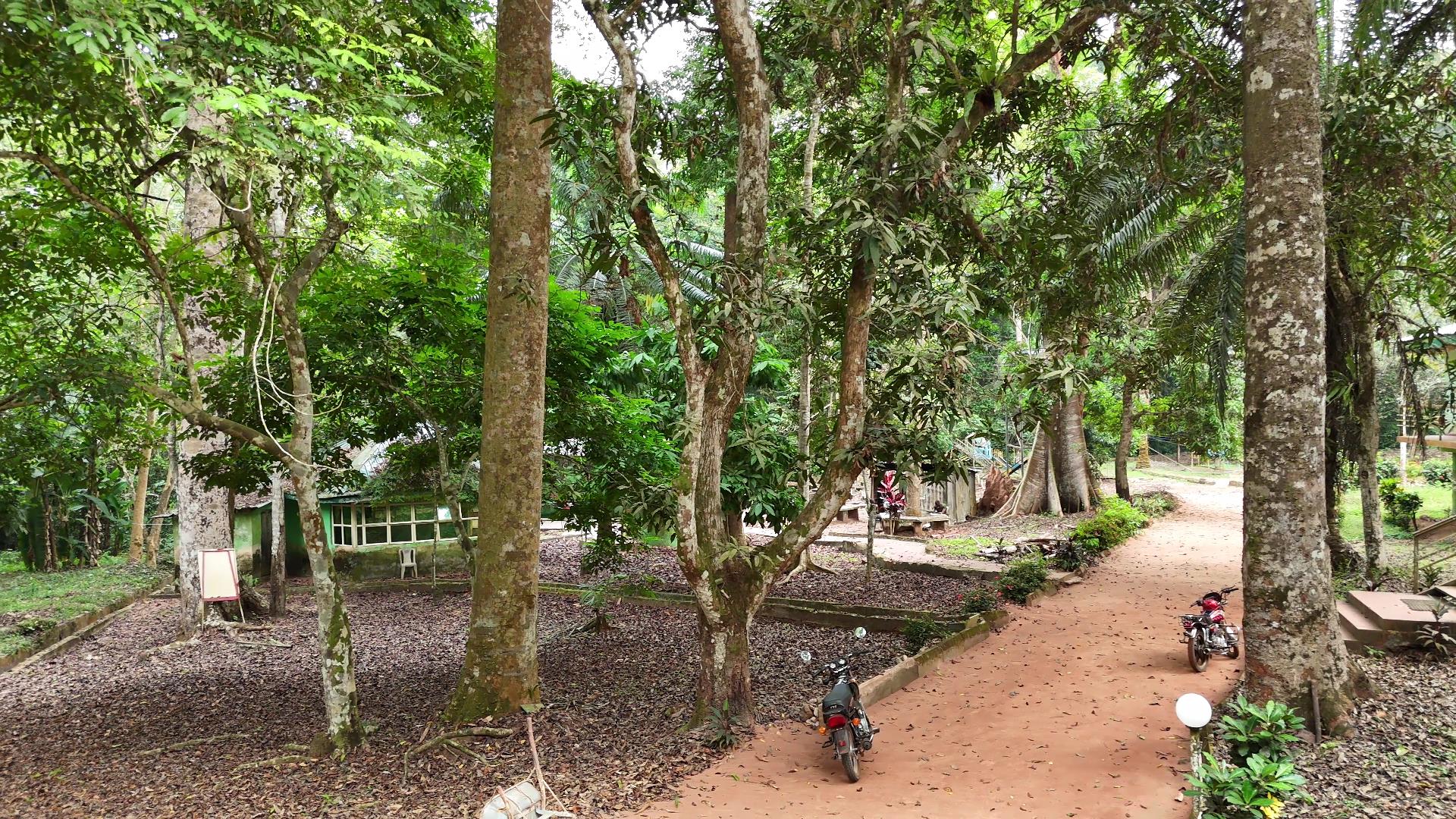
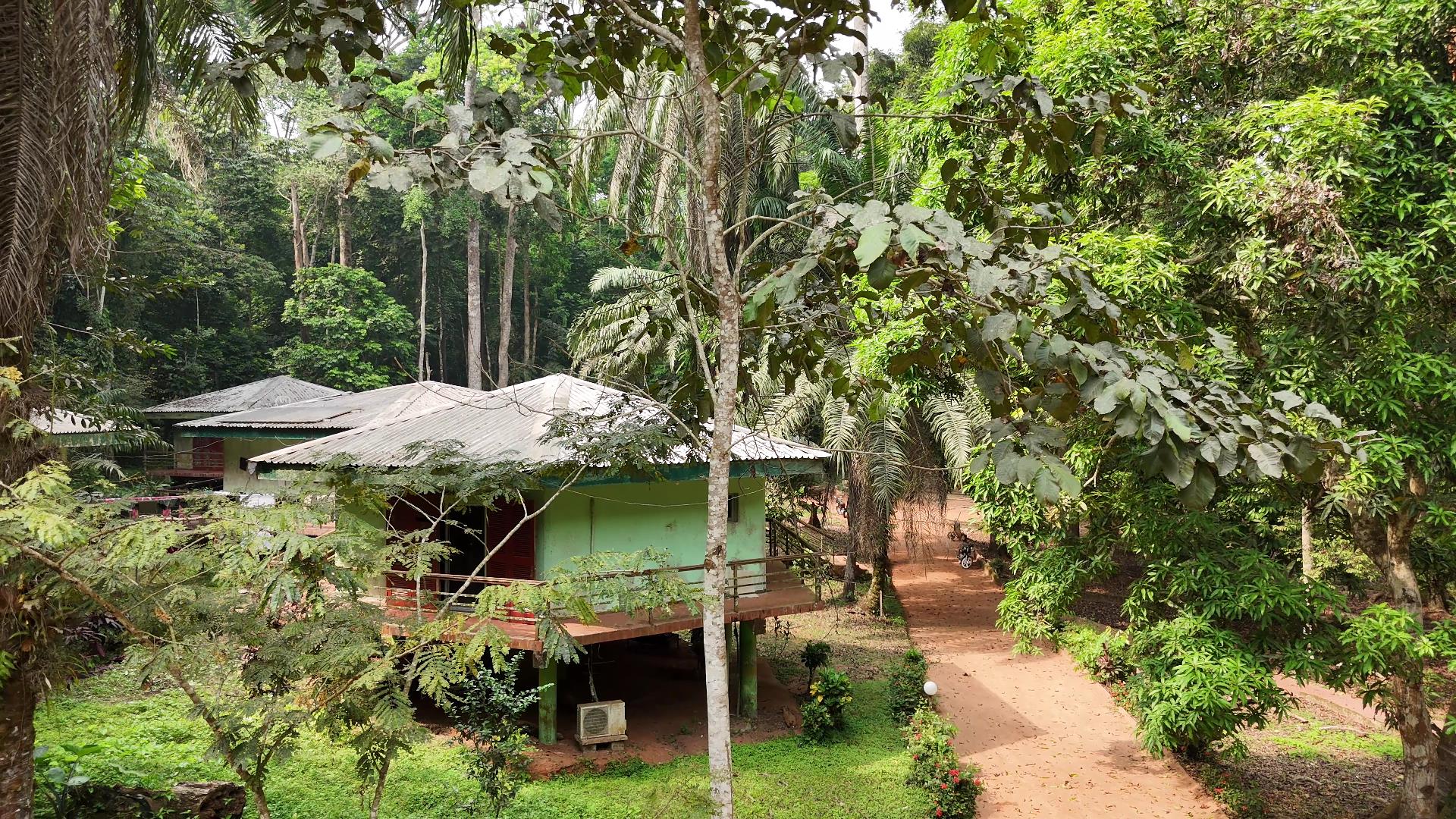
Within the lodge area, there’s generous space to move around also. Take slow evening walks around the compound. Wander toward the Rangers’ quarters at Arakhuan Base. Or step quietly toward the nearby forest edge and simply exist in the calm.
Wildlife Viewing
Wildlife here is real - not a zoo setup. Okomu National Park is one of Nigeria's richest biodiversity zones.
At Okomu, it’s not unusual to spot wildlife strolling near the lodge. Walk quietly along the paths, and you might see animals in the nearby bush or even crossing the road. Bring a pair of binoculars, and you’ll be treated to an up-close and enchanting view of these creatures in their natural habitat.
Some notable species you may encounter...
African Forest Elephants... One of only three remaining populations in Nigeria. Not less than 40 individuals are suspected living inside the park. We saw massive footprints and backrubbing mark on trees over six feet high. We heard distance trumpets.
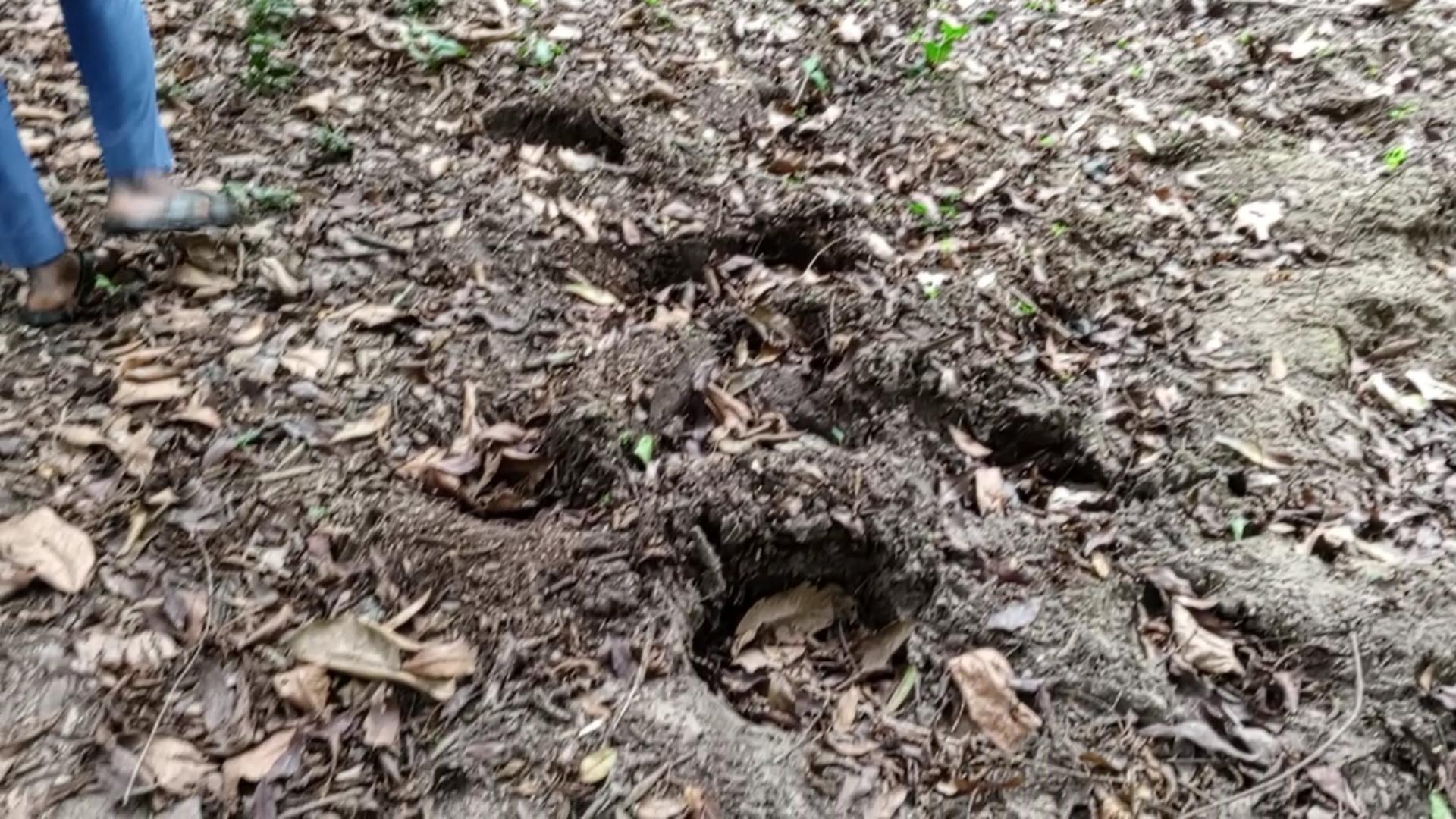 Elephant footprints
White-Throated Guenon Monkeys... Endangered species, abundant inside this forest.
African Grey Parrots...One of their largest populations in Nigeria exists here.
Yellow-Casqued Hornbills and White-Bellied Pangolines.
Okomu National Park Accommodation (Arakhuan Range Base)
Arakhuan Range Base is the main visitor lodging area inside the forest. It serves as both a Rangers' base and visitors lodge. The Range Base is the outer section, while the visitors lodge is the inner section. They are about 400 meters apart — roughly a 5-minute walk.
Visitors Accommodation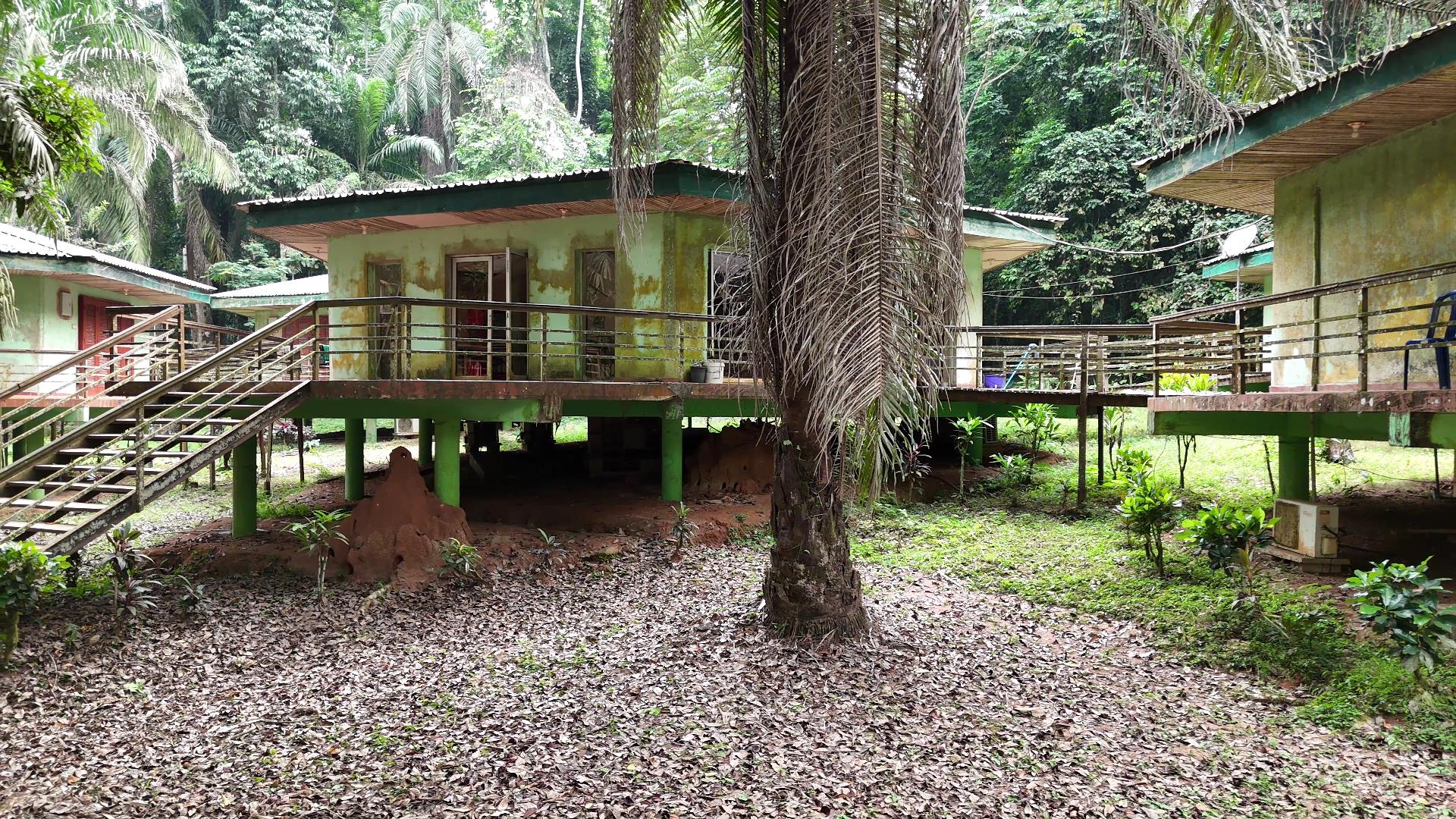 Visitors Quarter
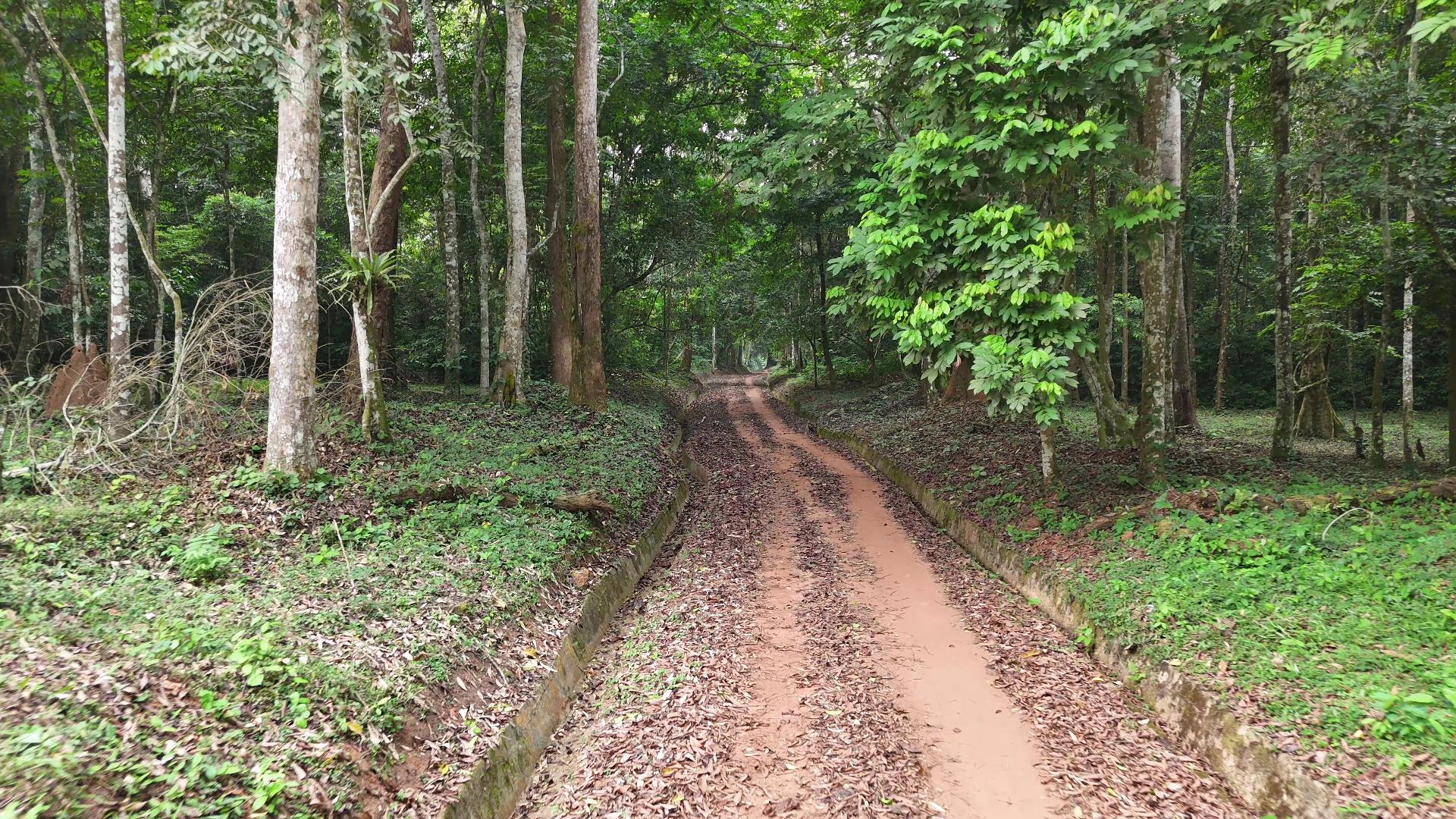 Interlinking Road (Rangers Quarter and Visitors Quarter)
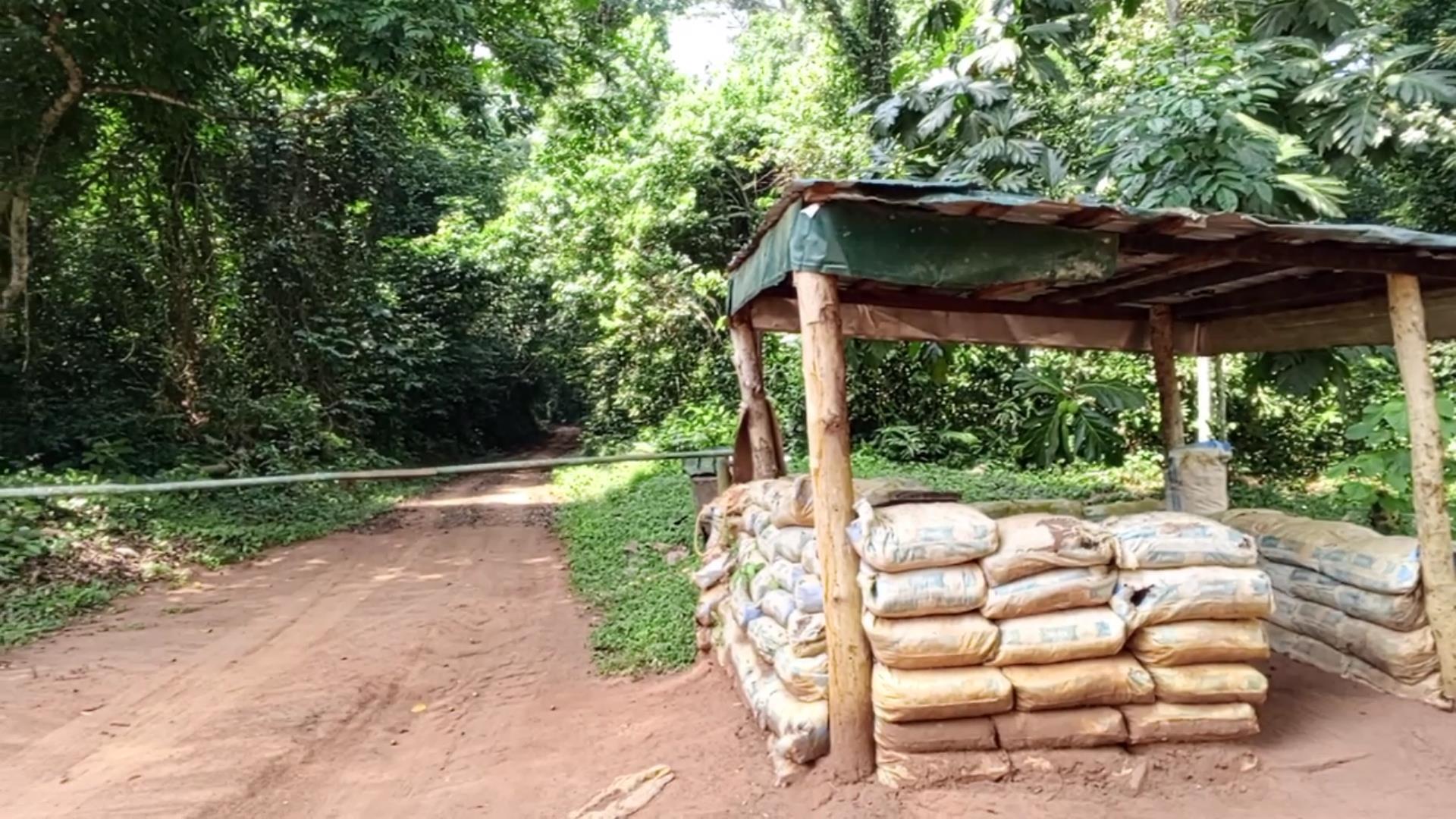 Arakhuan Range Base Gate
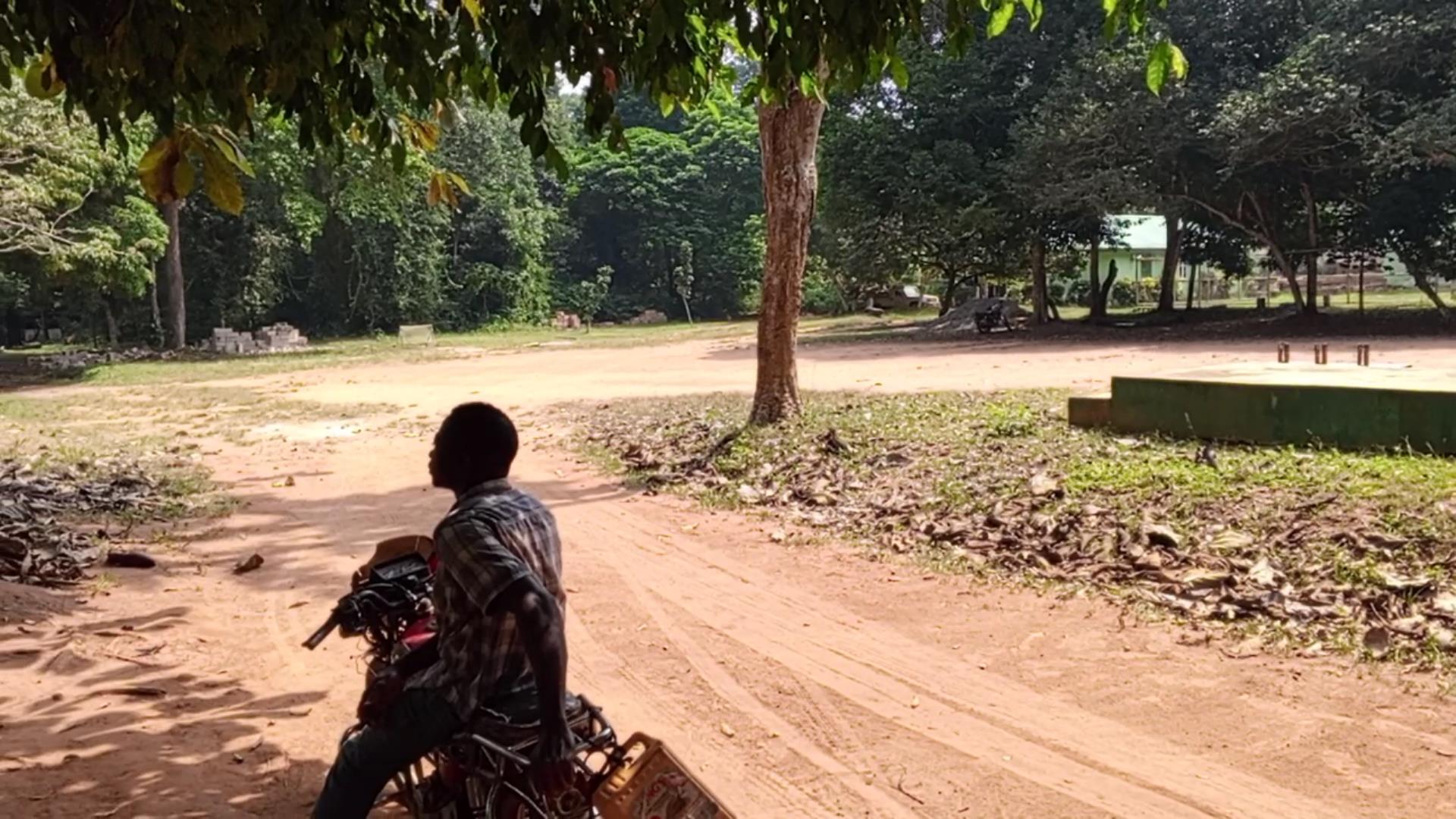 Arakhuan Range Base (Rangers Quarter)
Okomu National Park offers three types of accommodation for visitors... Chalets, student hostel and Guest house.
Chalets
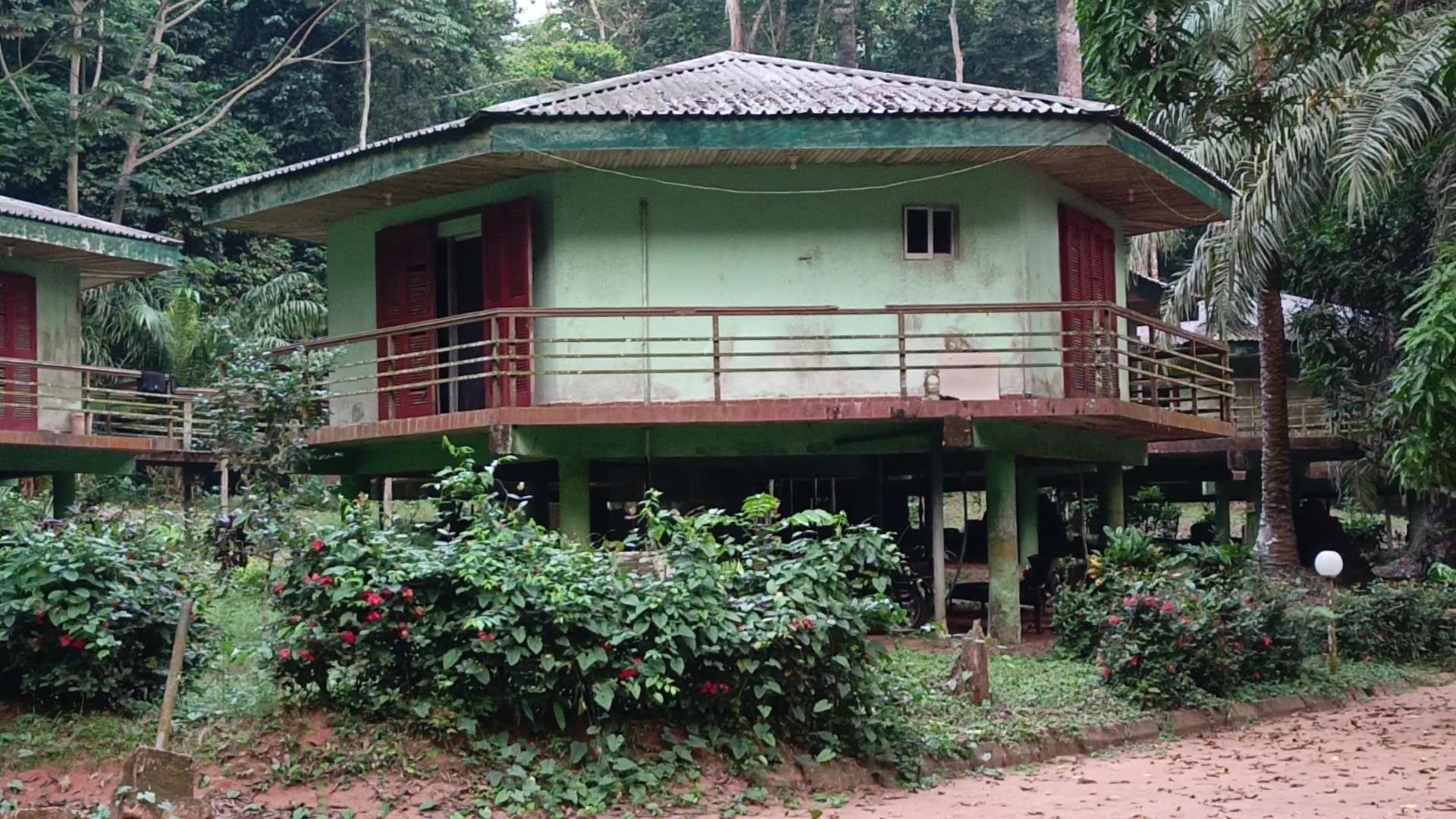
- Queen-size bed equivalent
- Wardrobe
- Chair and stool
- Fan
- En-suite bathroom
- Water supply
The chalets at Okomu National Park consist of raised cabin-style buildings, each containing three separate rooms. Each room provides a cozy, private space for sleeping and relaxing.
When you pay for a chalet, you are paying for one of these individual rooms — not the entire cabin structure.
Each room features:

 En-suite bathroom
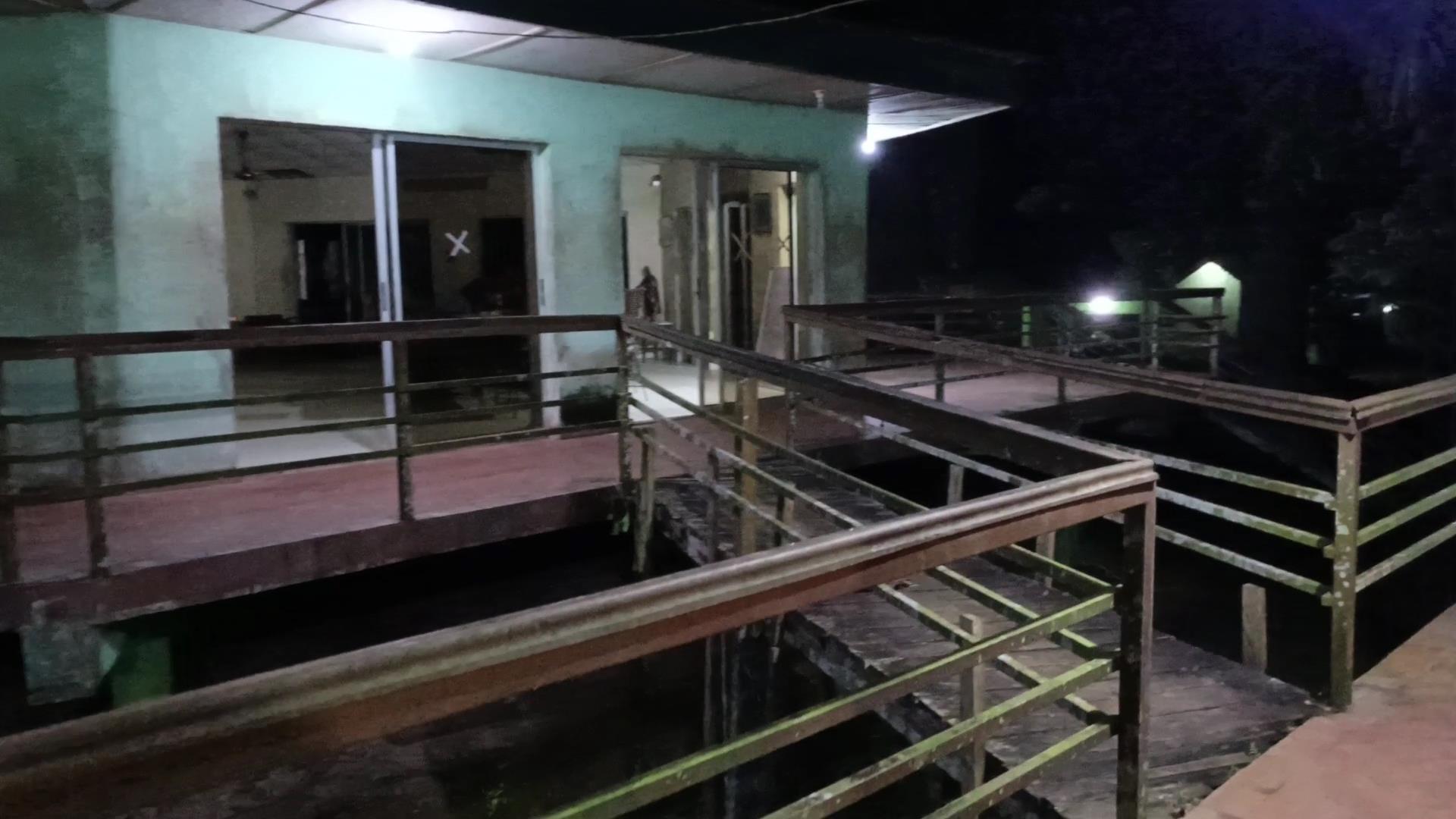 Night at Okomu National Park Range Base (Chalet)
The facility is supported by solar-powered electricity, complemented by a backup diesel generator. Power supply is guaranteed daily from 7:00 pm to 11:00 pm, providing ample time to recharge devices and settle in for the night.
On some occasions, electricity may continue beyond this window — sometimes running through the early hours until dawn.
While the rooms do not have in-room water heaters, hot water is readily available from the kitchen whenever needed — simply make a request.
At the heart of the lodge is a central lounge — where guests can relax in the evening.
This lounge cabin serves as the focal point of the accommodation area, with four chalet cabins arranged around it. Each cabin is connected to the lounge by a raised wooden walkway, creating a charming, treehouse-like atmosphere that blends seamlessly with the surrounding forest.
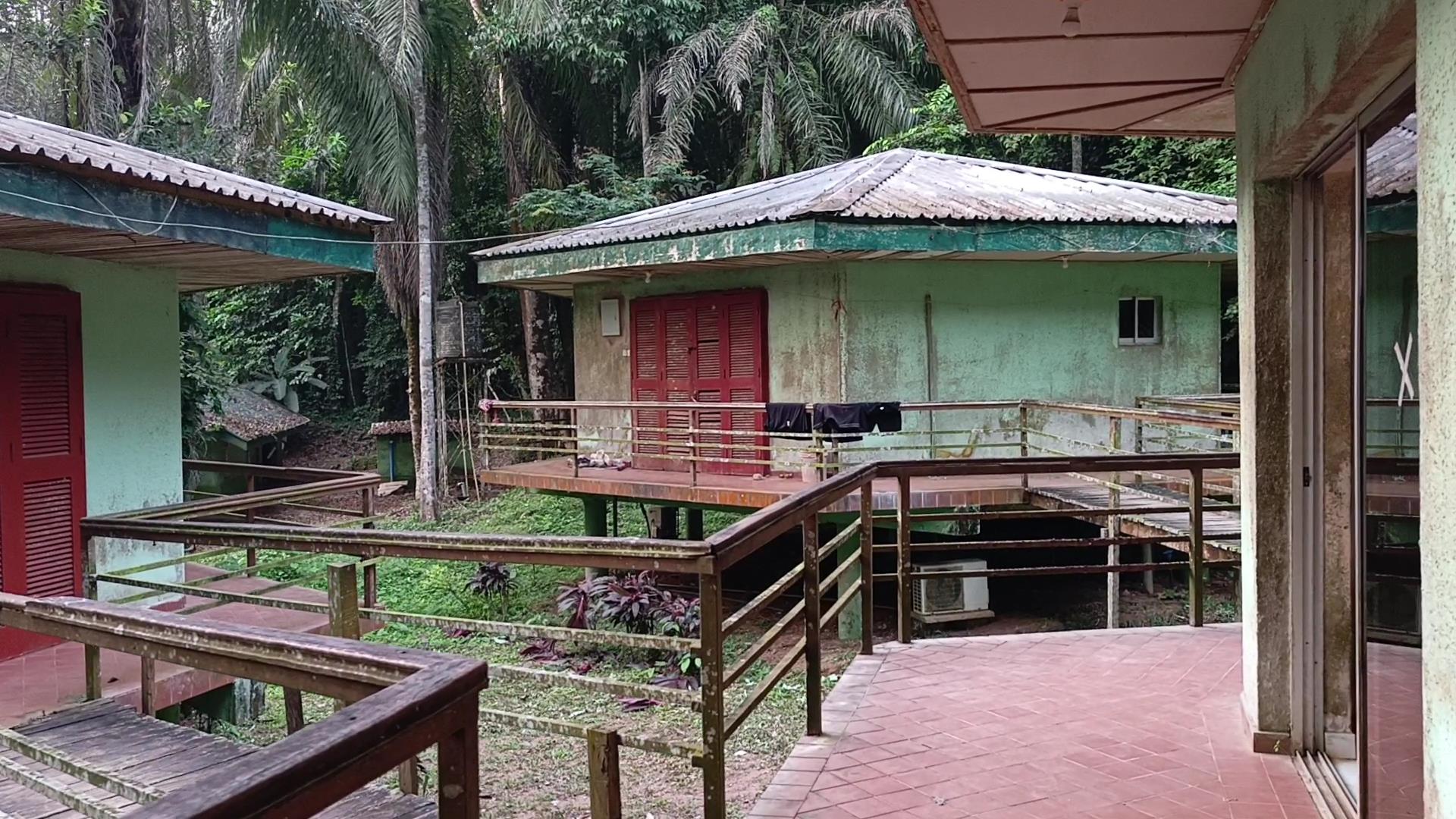 Chalets cabin
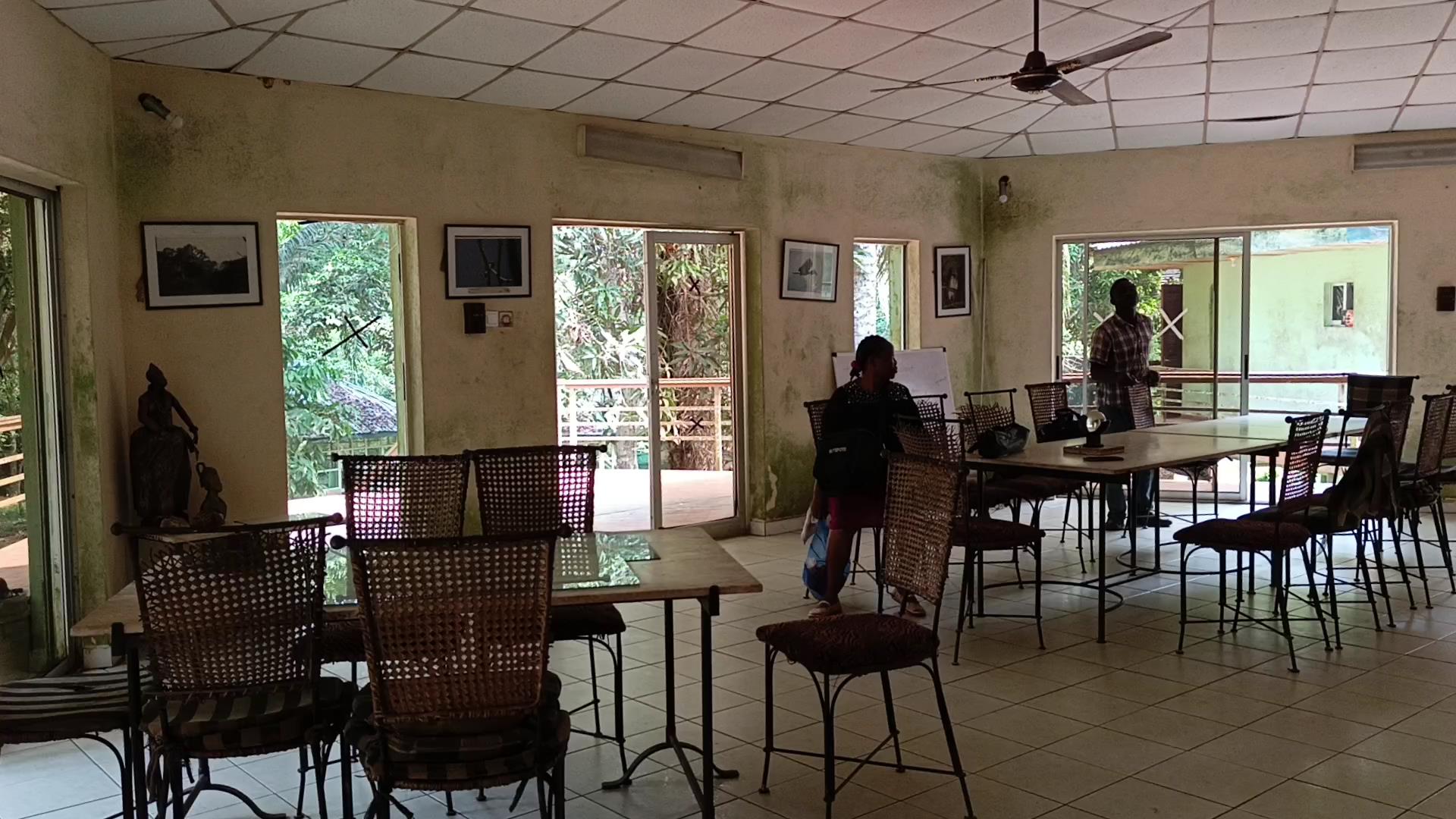 Lounge
Student Hostel
The student hostel features a large central hall, with multiple attached rooms opening directly into the shared space — making it suitable for group stays, research teams, or student excursions.
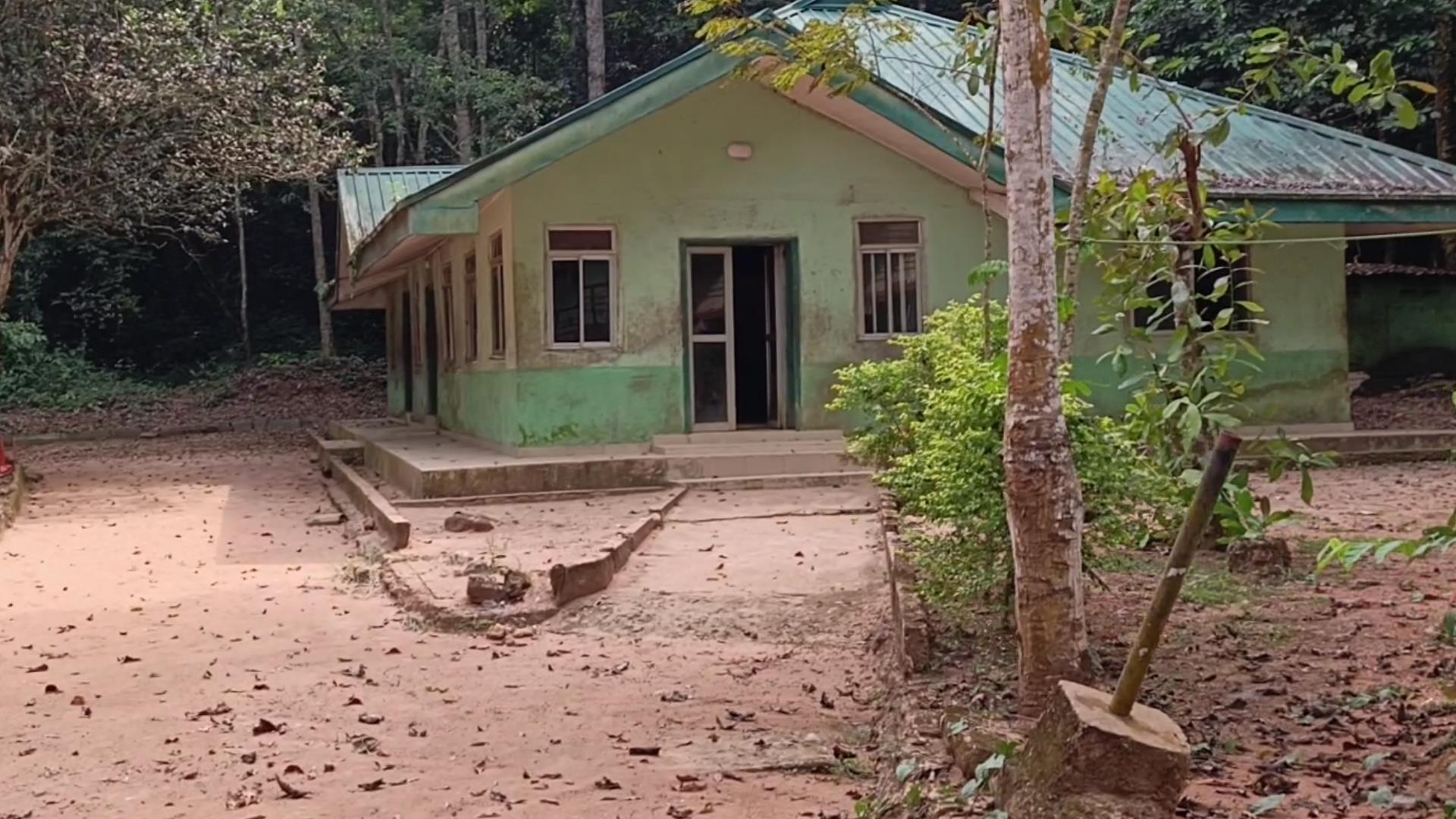 Student Hostel
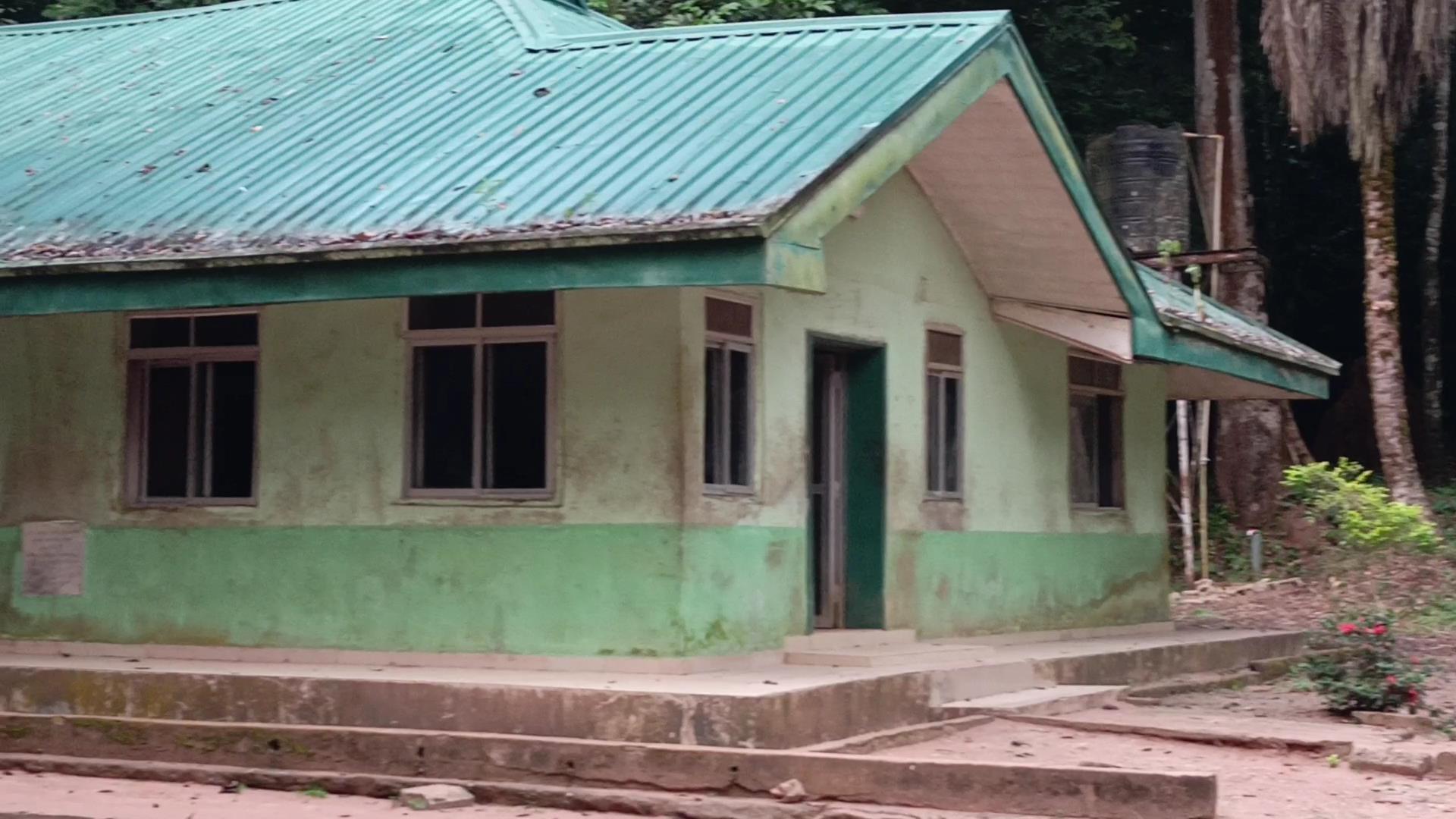 Student Hostel (Side View)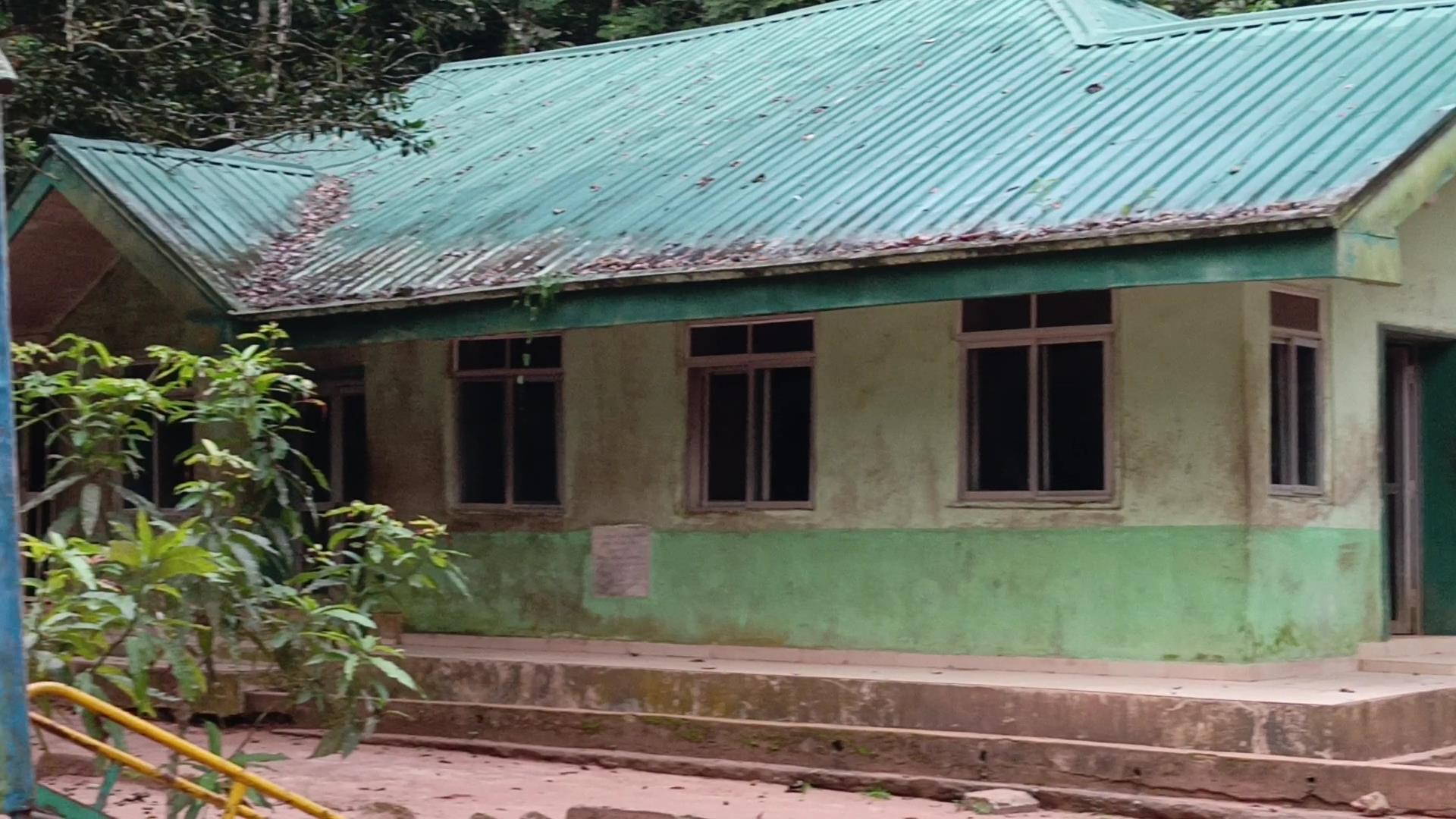
There are twin-size mattresses (about 36 inches wide), ideal for one person to sleep comfortably on the floor.
The hall has its own en-suite bathrooms.
Guest House
The last accommodation option is the Guest House. It provides comfortable lodging for visitors who prefer a more private or family-style stay compared to the chalets or student hostel.
Kitchen service is available upon request for all accommodation types. Guests can select their preferred menu, ensuring meals are tailored to their taste and dietary needs.
Planning A Visit to Okomu National Park
Getting Here | Park Entrance Fees | Best Time to Visit | What to Pack
If You're a foreigner visiting the Park, I recommend you HIRE A VERIFIED AIRPORT PICK to the park
How to Get to Okomu National Park
Step 1: Get to Udo Town in Ovia South-West LGA - From Benin Or...Anywhere Else
How to Get to Udo Town From Benin City
Getting to Udo Town (From Ring Road, Benin City)
Getting to Udo Town (From Ring Road, Benin City)
From Ring Road in Benin City, take a bus heading toward Siluko Road, Textile Mill Junction, or Egor Barracks. You can find buses along Oba Market Road or at Central Park in Obakhavbaye.
Inform the driver you are stopping at Textile Mill Road Junction.
From there, ask for Udo Park for the next leg of your journey.
Getting to Udo Town (From Dawson Junction – Akpakpava Road)
Getting to Udo Town (From Dawson Junction – Akpakpava Road)
If you are coming from the East, the North, or the Ikpoba Hill axis of Benin City, you do not need to go to Ring Road. Simply stop at Dawson Junction off Akpakpava Road.
From there, take a cab or mini bus heading toward Textile Mill Road. Inform the driver that you will stop at Siluko Junction.
Once you arrive at Siluko Junction, ask for Udo Park for the next leg of your journey.
Getting to Udo Town (From 1st Junction – Sapele Road Axis)
Getting to Udo Town (From 1st Junction – Sapele Road Axis)
If you are arriving in Benin City from Delta, Bayelsa, or Port Harcourt, you do not need to continue to Ring Road. Simply stop at 1st Junction off Sapele Road.
From there, you have two options:
- Take a cab or mini bus to Dawson Junction (off Akpakpava Road), then continue toward Textile Mill Road OR
- Find a direct cab or mini bus at 1st Junction heading straight to Textile Mill Road.
Inform the driver that you will stop at Siluko Junction. From Siluko Junction, ask for Udo Park for the next leg of your journey.
Getting to Udo Town (From Ugbowo Axis Or Coming from Ifon / Owo / Akure / Ondo...
Getting to Udo Town (From Ugbowo Axis Or Coming from Ifon / Owo / Akure / Ondo...
If you’re arriving in Benin City from Ifon, Owo, Akure, or Ondo. Or heading to Udo from Ugbowo, you have two convenient options:
Option 1 (Direct Route)...
At Oluku, ask around any visible motor park for a cab heading to Udo. Drivers in that area are familiar with the route.
Option 2 (Via Ring Road)...
Take a cab heading toward Ring Road. Stop at Textile Mill Junction. From
there, board another cab heading to Textile Mill Road and inform the
driver that you will stop at Siluko Junction.
At Siluko Junction, ask for Udo Park for the next leg of your journey.
From Benin City, transportation to Udo costs approximately ₦2,000 per passenger from Udo Park at Siluko Junction.
The vehicles that ply this route are typically passenger cars. The journey takes about 40 minutes.
How to Get Udo Town From Lagos Axis
If you are coming from Lagos, stop at Okada Junction before entering Benin City.
From Okada Junction, take a cab heading to Udo. The drive from there takes not more than 30 minutes.
Step 2 - Stop at 4 Junction in Udo
This is Very Important
When you arrive in Udo, inform the driver clearly that you want to stop at Four Junction. This is very important so you do not miss your way.
Please note: Okomu Oil Palm Company is a completely different destination and is located much farther away. It is not the same as Okomu National Park.
So again — stop at Four Junction when you get to Udo.
At Four Junction, ask for Forestry Road (also known as Nikoroha Road). It is one of the four roads that form the junction. There is a small motor park at the entrance of the road, which makes it easy to identify.
The Okomu National Park Administrative Office is about a 10-minute walk from the junction. It is located along the road on the left-hand side. You will see the park’s signboard clearly displayed in front of the office.
You won’t miss it
Step 3 - Register at the Ecotourism Unit of Okomu National Park Office in Udo Town
At the gate
- Inform Security you're visiting for tourism
- Sign in
- Proceed to the Ecotourism Unit
- Make payments and arrangements
Step 4 - Ride to Arakhuan Range Base to The Lodge or The Forest
The lodge and forest activities are still about 35 minutes away.. You'll arrange for a motorbike from the ecotourism unit.
Okomu National Park Fees (Entry and Activities)
What You Should Budget For
Before Visiting Okomu National Park, one of the first questions people ask is..."How much does it cost?"
Fees at the park are structured based on activity and category of visitor. While prices may change over time, here's what you should expect to pay for:
(View the full Okomu National Park fee list)
Entry-Related Fees
- Gate Entry Fee
- Park Viewing Fee
- Nature Trail Fee - A fee for access to the designated forest trail used for guided walks, wildlife viewing, and nature exploration
- Tour Guide Fee
Equipment and Activity Fee
- Camera Fee (Including phone camera) - charged per camera, multiple cameras attract multiple fees.
- Drone Fee (Separate category)
- Headset Fee
- Vehicle Entry Fee - Applies when entering the park with your personal vehicle.
- Picnic Fee - For visitors who want to enjoy a meal outdoors inside designated picnic areas.
Accommodation Fees
- Chalet Rooms
- Guest House
- Student Hostel
- Camping - For visitors who prefer to stay in tents instead of using the park’s accommodation facilities.
Additional Service Fee
- Porterage - A luggage assistance service available to visitors who would like their bags carried to or from their accommodation.
Best Time to Visit Okomu National Park (Dry vs Rainy Season)
Okomu National Park is a rainforest. That means it is beautiful all year round - but your experience may vary by season.
Dry Season - October to March (Highly Recommended)
Why?
✓ For a more pleasurable trip to the park. About half of the road from Udo to the forest is unpaved, and during the dry season the surface is firm and far very much motorable.
✓ Clearer walking paths inside the forest, making exploration easier and more comfortable.
✓ Fewer to no mosquitoes, which makes your stay and outdoor activities more enjoyable.
- The unpaved portion of the road can become wet and marshy during the wet season, and may be difficult for regular vehicles to pass. However, motorbikes can still navigate the route. For some visitors, this stretch adds a bit of adventure and a different kind of fun to the journey.
- Lush green scenery
During my vacation in January 2026 I didn't experience mosquito bites neither at night nor during the day.
Rainy Season - April to September
Regardless of season,
- Nights can be cold
- Electricity runs smoothly from 7pm to 11pm
- Only MTN network works - and it's weak.
If you want smoother nature trail and comfort, dry season is ideal.
What to Pack for Okomu National Park (Complete Checklist)
Visiting Okomu National Park requires light preparation. Here's what I recommend...
Clothing
- Lightweight clothes
- Green or black clothing for nature trail
- Jacket or sweater (for night use especially)
- Hat or headgear (Optional)
Essentials
- Water bottle (For rehydration during nature trail inside the forest)
- Snacks or Packed lunch
- Flashlight (For use at night when electricity goes off)
- Insect repelent (especially during wet season)
- Small backpack
For Nature Lovers
- Binocular
- Fully charged camera or smartphone and power bank
- Notepad
Avoid heavy perfumes - they attract insects.
Plan your meals ahead. There's no supermarket at Arakhuan Base.
Is Okomu National Park Safe?
Yes. The area is generally peaceful throughout the year.
Security within and around the park is structured and well managed, giving visitors confidence during their stay.
Visiting as a family... a solo explorer... or part of a group... you can expect a calm and secure environment focused on conservation and responsible tourism.
- 24/7 Ranger patrol
- Six Range Bases strategically positioned inside the forest.
- Rangers are trained to international standard.
- Camera traps installed across the forest.
- Equipped vehicles for monitoring.
Many Rangers are recruited from host communities, strengthening local cooperation.
The New Face of Okomu National Park (ANI Partnership)
In 2022, the Federal Government of Nigeria partnered with Africa Nature Investors (ANI) to co-manage the park.
ANI has worked successfully at Gashaka Gumpti National Park.
Since arriving at Okomu, ANI has
- Recruited and trained 38 local rangers to strengthen on-ground protection.
- Built a 30-room ranger accommodation block to reinforce park security and long-term conservation efforts.
- Installed camera traps to improve wildlife monitoring and research.
- Acquired patrol vehicles to enhance surveillance and rapid response.
- Established savings and loan groups within surrounding communities which has encouraged cooperation from the communities in conserving the park.
- Created conservation clubs in local schools to nurture environmental awareness among young people.
- Strengthened overall community engagement to build lasting partnerships around the park.
This partnership is transforming Okomu into a serious ecotourism destination
Who Should Visit Okomu National Park?
- Urban residents seeking a weekend escape.
- Families seeking quiet bonding time
- Students and Reserchers
- Nature Lovers
- Nature photographers
- Video storytellers
- International visitors exploring Nigeria